How Syracuse Businesses Can Leverage Content Blogging to Grow Organic Traffic
An effective content strategy is one of the most reliable ways for Syracuse businesses to create organic traffic growth without relying solely on paid ads. For companies in Syracuse, NY and across Central New York, blogging is not just a content exercise; it is a strategic method for improving search visibility, driving lead generation, and establishing an online presence that compounds over time. When blog content is connected to web design, seo services, digital marketing, ai experts, and input from AI experts, it becomes a revenue-supporting asset instead of a standalone tactic.
Whether your business serves Downtown Syracuse, the Inner Harbor, University Hill, or surrounding Onondaga County neighborhoods, the right editorial strategy can bring in qualified traffic from people actively searching for solutions. That matters for B2B services, healthcare providers, home services companies, local retail, education organizations, and any other business that depends on local trust and steady demand.
How Blog Planning Is Important for Organic Audience Growth
A well-planned blog plan provides businesses a consistent way to attract organic traffic by connecting content to search intent. Rather than publishing random posts, you create content marketing around the searches, problems, and side-by-side choices your target audience is already searching for. This is how blog content helps with organic traffic growth in a clear way.
For local Syracuse companies, the value is even easier to see because many buyers search with specific local intent. A person looking for a contractor, dentist, law firm, or managed IT provider may add “near me,” “Syracuse, NY,” or a neighborhood name to the query. A local blog strategy that reflects those patterns improves semantic relevance and helps your pages align with ranking factors that matter in local search.
Regular blogging also supports authority building. Gradually, a consistent editorial strategy shows that your business understands customer concerns, local market conditions, and industry trends. That improves engagement, click-through rate, and brand awareness. Strong blogs do not just rank; they reassure readers and move them closer to conversion.
Key takeaway: Your blog strategy works best when it is tied to search intent, content optimization, and a clear business goal. More specifically, every post should help earn qualified traffic and support revenue.
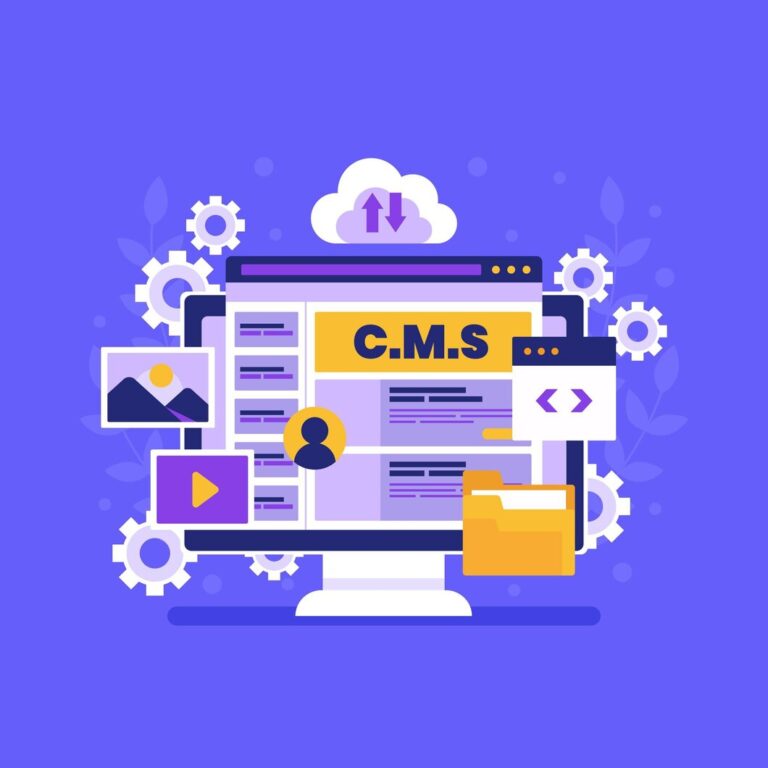
In What Ways Does Web Design Supports Blog Results
Site design has a clear effect on how well blog content does in search and how visitors behave once they arrive. If a site is difficult to navigate, sluggish to load, or not structured well, even excellent articles may struggle. Effective web design improves user experience, crawlability, and indexability, all of which support search visibility.
Site structure matters because it helps both users and search engines understand how your content is organized. A blog should live within a simple hierarchy that connects categories, services, and supporting articles. When the structure is logical, internal linking becomes more effective and visitors can move naturally from informational content to service pages that support lead generation.
Mobile optimization is another critical part of web design. Many people in Syracuse, NY search on phones while comparing local options, checking hours, or reading reviews. A mobile-friendly design keeps text readable, calls to action visible, and navigation simple. That creates better engagement and better conversion rate potential.
For local companies in Central New York, web design should also support trust. This includes prominent contact information, service-area details, fast-loading pages, and layouts that make it easy to explore blog articles, case studies, and service pages. When design and content work together, the website becomes a stronger growth engine.
Best practice: Choose blog templates that support on-page SEO, related post modules, and clear calls to action so each article contributes to SEO growth and lead generation.
SEO Solutions That Enhance Blog Exposure
Expert SEO services assist companies turn blog posts into search assets with sustained value. A key early step is keyword research, which identifies the terms your audience is truly typing. The goal is not to chase every keyword; it is to choose topics with solid search demand, clear search intent, and direct commercial relevance.
On-site SEO makes each post easier to understand and rank. It covers optimizing title tags, headings, meta descriptions, image alt text, and body copy so the page fits user intent. It also means using keywords naturally rather than forcing them into every sentence. When content is written with semantic relevance, it reads better and aligns more closely with how search engines evaluate pages.
Internal linking is another important part of SEO services. A blog should point readers toward related articles and important service pages. This helps spread authority across the site, strengthens topical relevance, and gives visitors more paths toward conversion. If a Syracuse business offers web design, seo services, digital marketing, ai experts, blog content should consistently reinforce those core offers.
Site technical SEO also plays a role. If search engines cannot easily crawl and index your blog, performance suffers. Clear URLs, fast page speed, schema where appropriate, and proper site architecture all contribute to better rankings. For local businesses, technical SEO helps ensure that content can stand out in a crowded regional market.
Important point: SEO services are most effective when they connect content optimization with business goals, not when they treat rankings as the only objective.
Online Marketing Channels That Increase Blog Reach
Online promotion expands the impact of blogging by putting valuable content in front of a larger number of the right people. A blog post should not sit on the website and wait to be discovered. It should be promoted through channels that increase reach, brand awareness, and engagement.
Social media distribution helps Syracuse businesses announce new articles to followers, local audiences, and community networks. This is especially useful for businesses that want to stay visible in a competitive market. A home services company, healthcare practice, or local retailer can share informative posts, service explainers, and seasonal advice that aligns with customer needs.
Email promotion is another powerful channel. Blog content can be reworked into newsletters, nurture sequences, and customer updates. That keeps your audience engaged and provides another touchpoint for lead generation. For B2B services in Central New York, email marketing can be especially effective because it reinforces expertise and keeps your business top of mind during longer buying cycles.
Digital promotion works best when blog content supports the full funnel. Early-stage articles can attract new visitors, mid-stage content can compare solutions, and late-stage posts can encourage contact or quote requests. That structure helps turn content marketing into a system for qualified traffic and measurable growth.
Practical takeaway: Treat each blog post as a multi-channel asset. Share it, email it, and link it to service pages so it contributes to both visibility and conversions.
How AI professionals Can Accelerate Content Strategy
AI specialists can help make blog production quicker and more strategic without removing the judgment that strong content requires. Their value starts with content ideation. Instead of brainstorming topics one by one, AI-supported workflows can generate topic clusters, related questions, and content angles based on audience behavior and keyword research.
Topic clustering is especially useful for organic visibility because it organizes content around a central theme. For example, a Syracuse business might build a cluster around web design, another around SEO services, and another around digital marketing. Each cluster can include support articles, service pages, and FAQs that strengthen topical authority and semantic relevance.
Workflow automation is a further advantage. AI experts can help optimize outlines, content briefs, repurposing, and editorial scheduling. That does not mean publishing generic AI-generated copy. It means enhancing efficiency so your team can spend more time on strategy, local insight, and quality control. Human review still matters for accuracy, tone, and local relevance.
For businesses in Syracuse, NY, this approach can be especially helpful when internal teams are small. AI-supported planning can keep a content calendar moving while maintaining consistency and content freshness. That consistency often makes the difference between blogs that quietly exist and blogs that actually drive results.
Best practice: Use AI professionals to improve process and scale, but keep editorial strategy grounded in business goals, audience needs, and local market knowledge.
Building a Blog Content Plan for Syracuse, NY
A blog strategy for Syracuse, NY should reflect both local demand and the practical realities of operating in Central New York. Businesses here often compete on reliability, quick responses, and community relevance, so content should be tailored to those priorities. Whether you serve Downtown Syracuse, the Inner Harbor, University Hill, or neighboring communities in Onondaga County, your blog should feel locally grounded.
Local SEO should guide topic selection. That means covering neighborhood-level concerns, regional service questions, and seasonal issues relevant to the area. For example, a home services company might create posts about winter prep in Central New York, while a healthcare provider could answer common patient questions in the Syracuse market. A B2B firm might emphasize procurement, compliance, or vendor selection for regional buyers.

Regional keywords help content align with how people actually search. Terms like “Syracuse, NY,” “Central New York,” and neighborhood references can improve relevance when used naturally. Community relevance also matters because local readers engage with content that feels relevant to their environment, not generic advice copied from a national website.
A strong content calendar helps organize everything. It should prioritize topics by priority, seasonality, search intent, and business value. That way, your blog supports both immediate campaigns and long-term authority building.
Local insight: Content that speaks to nearby providers, local timelines, and area-specific concerns often performs better than broad articles with no regional context.
Keyword Planning for Ongoing Organic Growth
Sustained organic growth depends on a keyword strategy that balances opportunity and relevance. Effective keyword research starts with understanding the target audience, then identifying keywords that represent different stages of the buying journey. Some keywords are informational, some are comparative, and some are transactional. All of them can support growth if they match keyword intent.
Search volume matters, but it should not be the only factor. A high-volume keyword is not always the best choice if it is too broad or too competitive. Meanwhile, lower-volume terms can still bring valuable qualified traffic if they are closely tied to your services. The goal is to find content gaps where your business can provide useful, specific answers.
Keywords should also be grouped into topic clusters so the site develops depth rather than random one-off posts. This makes content optimization easier and gives search engines stronger signals about what your site is about. It also helps create a more coherent editorial strategy across service and blog content.
Over time, you can refine the plan based on performance. If certain keywords attract better engagement or more conversions, expand those topics. If others underperform, adjust the angle, improve the content, or update the internal linking structure. This is how a blog becomes a sustainable asset instead of a short-term experiment.
Remember: Strong keyword strategy is not about stuffing pages with terms. It is about matching search intent, closing content gaps, and building authority across related topics.
Evaluating Results and Refining Over Time
To build organic traffic growth consistently, you need a measurement system. Google Analytics and Google Search Console are essential tools for tracking performance. Google Analytics shows how users interact with your blog, while Google Search Console helps reveal which queries drive impressions, clicks, and rankings.
Website analytics can show far beyond visitor totals. Check user engagement, time on page, scroll depth, and lead rate to see whether content is guiding visitors toward action. If a post attracts visits but does not produce leads, the issue may be message fit, CTAs, or layout design rather than visibility alone.
Rank tracking helps you follow keyword progress over time. This is very useful for evaluating the impact of page optimization and site linking. If a post starts rising for a relevant keyword, you may be able to strengthen it with extra context, new examples, or stronger supporting links.
Content updating is another key part of steady growth. Search trends evolve, businesses grow, and content freshness affects performance. Updating older posts with new statistics is not necessary if you avoid fake numbers, but adding more relevant examples, updated service details, and improved on-page SEO can make a significant impact. This helps maintain and grow search visibility.
Next step: Evaluate blog performance regularly and use real data to guide revisions, new content, and future topic selection.
Typical Blog Strategy Mistakes to Avoid
Many blogs fall short because of a few preventable mistakes. One of the most common is thin content. Posts that are too short or too generic do not build authority well or address user intent. They may attract little attention and do not give readers enough value to trust the brand.
Keyword stuffing is another issue. Repeating keywords unnaturally makes content harder to read and can hurt semantic relevance. A better approach is to use keywords naturally within useful, well-structured content that reflects how people actually search.
Uneven posting also limits results. A blog strategy needs a content calendar and a manageable publishing process. Without consistency, it is hard to gain momentum, improve rankings, or establish content freshness. Even a few strong posts per month can outperform a burst of random publishing followed by silence.
Weak-performing action prompts are an additional lost chance. When a post educates readers but never tells them what to do next, it can generate attention without lead generation. Each article should guide readers toward the next logical step, whether that is contacting your team, reading another post, or exploring a service page.
Bottom line: Do not use light content, keyword stuffing, inconsistent publishing, and weak calls to action if you want your blog to support real business growth.
For Syracuse businesses, the best blog strategy is a strategy that ties content with measurable business outcomes. That means using web design to improve usability, SEO services to increase search visibility, digital marketing to expand reach, and AI experts to streamline planning. When all of those pieces work together, blogging becomes a powerful system for organic traffic growth, brand awareness, and lead generation across Syracuse, NY and Central New York.
FAQ
How often should a Syracuse business publish blog posts for organic growth?
The right publishing frequency depends on your resources and goals, but consistency matters more than volume. Many Syracuse businesses do well with one to four quality posts per month if each article is supported by keyword research, internal linking, and a clear content calendar. The key is maintaining a steady rhythm that supports content freshness and long-term organic traffic growth.
What kind of blog topics work best for local SEO in Syracuse, NY?
The strongest topics usually address local search intent, common customer questions, seasonal concerns, and service-area needs. For local SEO in Syracuse, NY, that can include neighborhood-specific guides, comparisons of service options, and helpful posts tied to Central New York conditions. Topics that show community relevance and mention nearby providers or regional concerns often perform well.
How do web design and SEO services work together to improve blog traffic?
Web design improves user experience, mobile-friendly design, crawlability, and site structure, while SEO services improve keyword research, on-page SEO, internal linking, and technical SEO. Together, they make blog content easier to find, easier to read, and easier to convert. That combination supports better search visibility and more qualified traffic.
Can AI experts help create a more effective blog strategy without losing quality?
Absolutely. AI experts can strengthen content ideation, topic clustering, and workflow automation, which helps teams map out and produce content more efficiently. Quality is protected when humans handle editorial strategy, local insight, and final review. Used correctly, AI supports content optimization without displacing expertise or brand voice.
How long does it take to see organic traffic growth from blogging?
Timelines depend based on competition, website authority, publishing consistency, and how well the content matches search intent. Some pages may begin to receive impressions within weeks, while meaningful organic traffic growth often takes several months of consistent publishing, optimization, and internal linking. In competitive markets like Syracuse, NY, patience and ongoing improvement are part of the process.
Sunstone Digital Tech
201 E Jefferson St, Syracuse, NY 13202
(315) 758-3349
https://maps.app.goo.gl/LNcnKZaUXSqxHPoT8
https://sunstonedigitaltech.com/
43.0471862, -76.1504376