What Is on-page SEO and How to Optimize It?
Sunstone Digital Tech
201 E Jefferson St, Syracuse, NY 13202
(315) 758-3349
https://maps.app.goo.gl/LNcnKZaUXSqxHPoT8
https://sunstonedigitaltech.com/
43.0471862, -76.1504376
What’s on-page SEO?
On-page SEO is the approach of improving the components on a web page so search engines can better understand it and users can more quickly find what they need. It is a fundamental part of search engine optimization because it directly influences how a page presents its topic, value, and relevance. Unlike external tactics that happen elsewhere on the web, on-page SEO is centered on the page itself: the text, structure, HTML signals, media, and internal connections that support organic rankings.
At its core, on-page SEO helps connect web page elements with search intent. That means making sure a page addresses what someone is actually trying to do, whether they want to research, compare, book, call, or buy. If a searcher in Syracuse, NY is looking for a local service, the page should answer that local intent clearly and quickly. Strong on-page SEO improves page relevance, crawlability, and indexability while also delivering a better user experience.
Good on-page optimization combines content structure, technical signals, and relevant content. Search engines assess signals like title tags, headings, internal linking, image alt text, URL structure, and schema markup to understand the subject of the page. At the same time, visitors judge whether the page is useful, trustworthy, and easy to navigate. That is why on-page SEO is both a search engine task and a user task.
Why on-page SEO is important for Syracuse organizations
For companies in Syracuse, NY, on-page SEO is often the key factor between being found by local customers and getting buried under nearby competition. People searching in Downtown Syracuse, near Syracuse University, or around Destiny USA are usually looking for fast, relevant answers. They may be comparing options across Central New York, including DeWitt, Liverpool, and Camillus, so your page needs to demonstrate local value quickly.
Nearby search activity is very goal-oriented. Anyone searching for web design, digital marketing, or SEO services in Syracuse is usually not casually searching. These users are looking for a company they can depend on, best one that is familiar with the regional market and can speak to neighborhood-level needs. Strong on-page SEO helps your pages appear for those searches by reinforcing location relevance, offer relevance, and subject depth.
It additionally supports wider digital marketing efforts. If your site has solid on-page SEO, every blog entry, service webpage, and landing webpage acts as a stronger asset for organic visibility. That means more relevant traffic, stronger engagement metrics, and better opportunities for conversion optimization. For local businesses competing across the Syracuse area, this can translate into more calls, contact form submissions, in-store visits, and scheduled appointments.
Within a place like Syracuse, mobile usage patterns matters too. Many people search on the go from their phones while driving, shopping, or running errands. A page with quick load times, displays clearly on phones, and clearly answers local search queries is more likely to capture attention and lead to engagement. This is particularly important for storefronts and service businesses near busy corridors and commercial areas.
Optimizing title elements and meta snippets
Title tags and meta snippets are some of the most visible on-page SEO elements. The title tag is often the initial item a searcher sees in unpaid results, and the meta description helps persuade them to click. In combination, they affect click rate and establish expectations before the page is even opened.
A well-crafted page title should feature the primary keyword smoothly, align with the page topic, and keep the value easy to understand. If the page is for a Syracuse business, using the location can boost relevance for local search. Keep it concise, readable, and centered on the main topic. Avoid stuffing in too many phrases, because that can dilute keyword placement and lower trust.
The meta description should briefly describe the page in a way that matches search intent and motivates the user to take the next step. While it is not a direct ranking factor in the same way as content quality or URL structure, it can affect click-through rate, which is a meaningful performance signal. The best descriptions address the user’s need and make the benefit obvious.
For example, a page about SEO services in Syracuse should not simply say “Home Page.” It should spell out what the page offers, who it is for, and why it matters locally. Think about how your title tags and meta descriptions appear for searches from Syracuse, NY, and surrounding Central New York communities. When those elements reflect search intent, they help attract better traffic and support stronger organic rankings.
How to organize headings and page content for SEO
Strong content organization helps make a page easier for users and search engines to understand. Your H1 tag should identify the main topic of the page, and your H2 headings should split the topic into logical sections. If needed, H3 headings can add deeper detail under each H2 heading. This hierarchy enhances readability, supports topic coverage, and helps search engines understand the page’s main ideas.
Use one H1 tag per page, and make sure it reflects the page’s primary subject. From there, H2 headings should correspond to the major subtopics and reinforce content hierarchy. This is especially important for pages targeting on topics like web design, digital marketing, or local SEO, where multiple subtopics can easily get scattered. A disciplined structure keeps the page on track and builds keyword relevance.
Well-organized headings also help with semantic SEO. Search engines look for related language and context, not just exact-match phrases. That means your headings and body copy should naturally include semantically related terms that broaden topic coverage and improve page relevance. The goal is not keyword stuffing, but precision, completeness, and usefulness.
For Syracuse businesses, structured pages are also more effective for local users scanning on mobile devices. Someone in a hurry near Downtown Syracuse or browsing around Liverpool may skim headings before reading paragraphs. If the H1 tag, H2 headings, and H3 headings are easy to scan, the visitor can quickly find the information that matters and stay engaged longer.
What page elements enhance page relevance?
A number of content elements support on-page relevance and enable a page perform better in search. Internal links are one of the most important. They direct users to related pages, spread authority across the site, and enable search engines find and process more content. Strong internal linking also improves crawlability and provides visitors a clear next step.
External links matter too when they support trust and context. Linking to reliable external links can assist validate claims or offer useful references, especially for informational content. The key is to use them intentionally and only when they benefit the user experience. Balanced internal linking and external links work together to develop stronger topical signals.
Alt text is another essential on-page element. It describes images for accessibility and gives search engines additional context. When written well, alt text supports content quality and helps reinforce semantic keywords related to the page topic. It should state the image accurately rather than repeating phrases unnaturally.
Schema code adds structured data that can help search engines better understand your content. Depending on the page type, schema markup may lead to rich results and change how your page appears in search. This is useful for local SEO pages, service pages, FAQs, and business details because it improves structured data signals and can improve visibility.
Topic-related terms also play an important role. By adding related phrases that match the topic naturally, you make the content more complete and valuable. This improves topic coverage and can help the page feel more credible. In practical terms, that means writing for the user first while making sure the page covers the surrounding questions they are likely to ask.
In what way do web design along with page experience impact SEO?
Web design has a strong impact on SEO because design influences how users interact with the page and how search engines read its quality. A simple, organized layout improves user experience, while messy navigation or cluttered sections can increase bounce behavior and lower engagement metrics. Good design supports both usability and ranking signals.
Mobile friendliness is particularly important now that many users search from smartphones. In Syracuse, NY, that matters even more for people searching while commuting, shopping, or looking for services on the go. Mobile optimization should make text readable, buttons easy to tap, and layouts easy to scan without zooming. If the experience is frustrating on https://fulton-ny-xj629.lucialpiazzale.com/ways-to-online-businesses-based-in-syracuse-ny-can-develop-a-customer-acquisition-plan a phone, the page is less likely to convert.
Page speed is another key factor. Slow pages can reduce engagement and hurt both user satisfaction and search performance. Search engines pay attention to core web vitals because they reflect real-world page experience. If images are oversized, scripts are bloated, or the site is poorly built, those technical issues can hurt overall SEO performance.
Strong web design should support conversion rate optimization as well. That means the page not only ranks well, but also encourages action once the visitor arrives. Clear calls to action, readable sections, and trust-building content help turn organic traffic into leads and customers. In local markets like Syracuse and nearby areas such as DeWitt, Liverpool, and Camillus, that can make a measurable difference.
How can AI professionals and search engine optimization services help improve pages?
AI professionals and SEO solutions can make on-page optimization quicker, more precise, and more scalable. For companies managing multiple service pages, location pages, or blog posts, content optimization can turn into time-consuming. AI professionals can help analyze large sets of pages, detect gaps, and propose improvements based on content structure, search intent, and topic coverage.
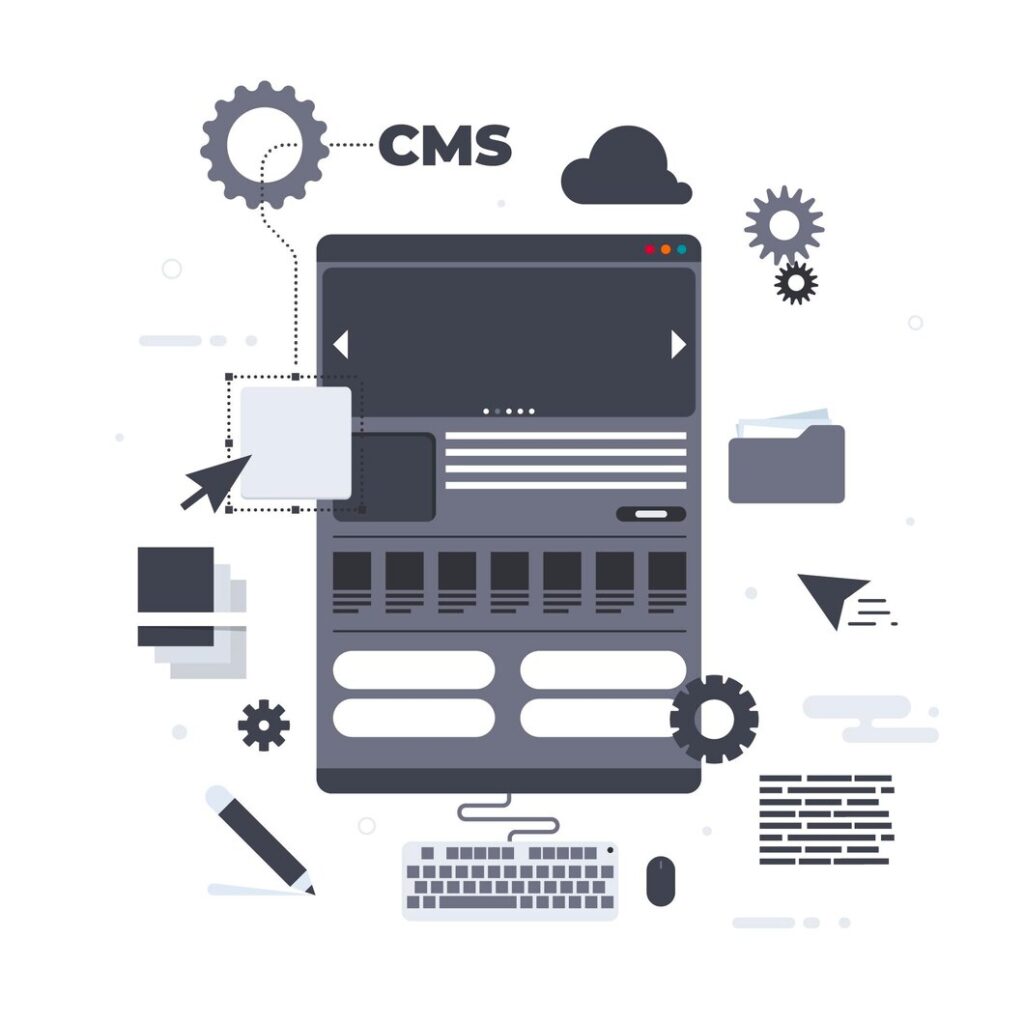
Experienced search engine optimization services often begin with search engine audits. An audit checks title tags, meta descriptions, heading structure, internal linking, schema markup, page speed, and other ranking signals. That process helps reveal what is keeping a page back and what changes will have the strongest effect. It also makes it easier to organize actions instead of speculating.
Artificial intelligence can support content optimization by surfacing semantic SEO opportunities, refining keyword placement, and identifying related questions users ask. However, the most effective results come when artificial intelligence is guided by human judgment, especially for local markets. A Syracuse-focused page still needs to read natural, accurate, and aligned with local intent. That is where experienced marketers and artificial intelligence specialists working together can be especially effective.
For businesses investing in digital marketing, this combination is effective. SEO solutions bring strategy and execution, while AI professionals help scale analysis and refinement. Together they can improve content quality, strengthen organic rankings, and ensure the page speaks directly to the appropriate audience in Syracuse, NY.

On-page SEO guide for better rankings
When you need practical approach, use this guide to evaluate any page:
- Place the primary keyword naturally in the title tags, H1 tag, and early in the content when appropriate.
- Make sure the page aligns with search intent and responds to the main question clearly.
- Use H2 headings and H3 headings to build a logical content hierarchy.
- Strengthen keyword placement without overusing the phrase or inflating keyword density.
- Craft meta descriptions that improve click-through rate and summarize the value clearly.
- Maintain URL structure short, readable, and descriptive.
- Place internal links to related pages and use external links when they add trust or context.
- Optimize image alt text for clarity and accessibility.
- Use schema markup where relevant to improve structured data understanding.
- Build content depth with useful details, examples, and local context.
- Review page speed, mobile friendliness, and core web vitals.
- Ensure the page supports conversion rate optimization with clear next steps.
This checklist works well for service pages, landing pages, and blog posts alike. It helps you focus on the most important ranking factors while also improving the experience for real visitors. For Syracuse businesses, the local angle matters too. Pages that address local search behavior, Central New York competition, and city-specific needs usually do better than generic pages copied from broader templates.
FAQ: Common questions about on-page SEO
What is on-page SEO in simple terms?
On-page SEO is the process of improving the content and page elements on a website so search engines can understand the page and users can find it useful. It includes title tags, meta descriptions, headings, internal linking, image alt text, and other signals that support search engine optimization and user experience.
How do I optimize a page for search engines?
First, matching the page to search intent, then refine the title tag, meta description, H1 tag, and H2 headings. Add relevant content, use internal linking, include semantic keywords naturally, and make sure the page loads quickly on mobile devices. Good content optimization also includes clean URL structure, schema markup where useful, and strong page relevance.
What is the distinction between on-page SEO and technical SEO?
On-page SEO focuses on the user-facing and content-related parts of a page, such as the content, headings, and media. Technical SEO is more about behind-the-scenes elements like crawlability, indexability, site architecture, and technical signals such as core web vitals. Each matters, and the best results usually come when they are combined.
How often should I update on-page SEO elements?
You should check on-page SEO elements whenever the page content updates, search behavior changes, or rankings start to slip. It is a good idea to audit key pages on a regular basis, especially service pages tied to local SEO and digital marketing goals. Updating title tags, meta descriptions, and content depth over time can help maintain organic rankings.
Does on-page SEO help local rankings in Syracuse, NY?
Yes, on-page SEO can strongly support local SEO in Syracuse, NY. When a page clearly includes location relevance, local intent, and useful details for nearby customers, it has a better chance of ranking for local searches. This is especially important in crowded areas like Downtown Syracuse and surrounding Central New York markets such as DeWitt, Liverpool, and Camillus.